
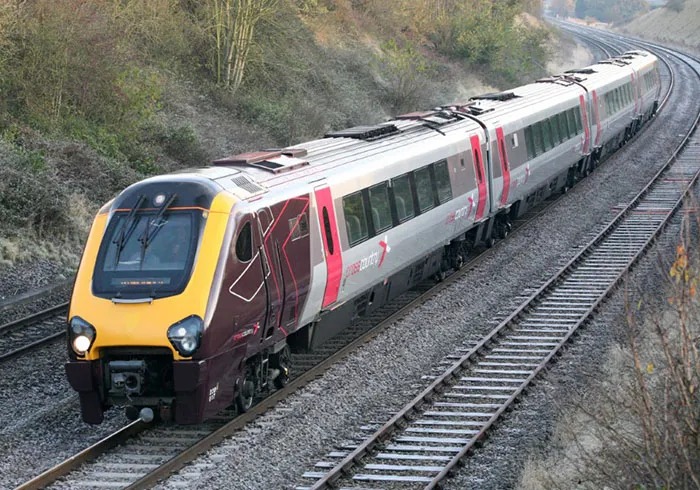
Since the rail network was privatised in the 1990s, rising costs and a fragmented rail system have helped drive up UK train fares.
With fewer than half of UK trains arriving on time last year, frustration among rail passengers is rising — and so are fares. Many argue the roots of the problem lie in the privatisation of the network in the 1990s, which created a fragmented system and some of the highest ticket prices in Europe.
In countries such as France and Germany, railways are publicly owned and run as public services, with revenue reinvested into maintenance, staffing and service improvements rather than going to shareholders.
An analysis of 27 European rail operators found that train fares in the UK are significantly higher than the European average, with some services costing up to two-and-a-half times more than journeys elsewhere across the continent.
In 2024/2025, official data from the Office of Rail and Road (ORR) highlighted how reliability remained a critical issue for passengers. Just 45.6 per cent of trains arrived on time, while the national cancellation rate stood at 3.7 per cent.

These problems have fuelled a growing frustration among commuters, who feel they are paying premium prices for a substandard service. Critics argue the structure created by privatisation has contributed to these issues, with multiple operators, regulators and infrastructure bodies sharing responsibility but lacking unified accountability.
Such concerns have reignited debate over the future of the UK’s railways. Campaigners argue bringing services back into public ownership would simplify operations and ensure that profits are reinvested into the network, while others believe reforming the existing franchising system could deliver improvements without a full structural overhaul.
The government has introduced Great British Railways (GBR), a new public body intended to bring track and train operations under a single guiding organisation. Supporters say GBR could help reduce public unrest over the railways and improve the service, though questions remain over how far it will shift control from private operators.
.
