
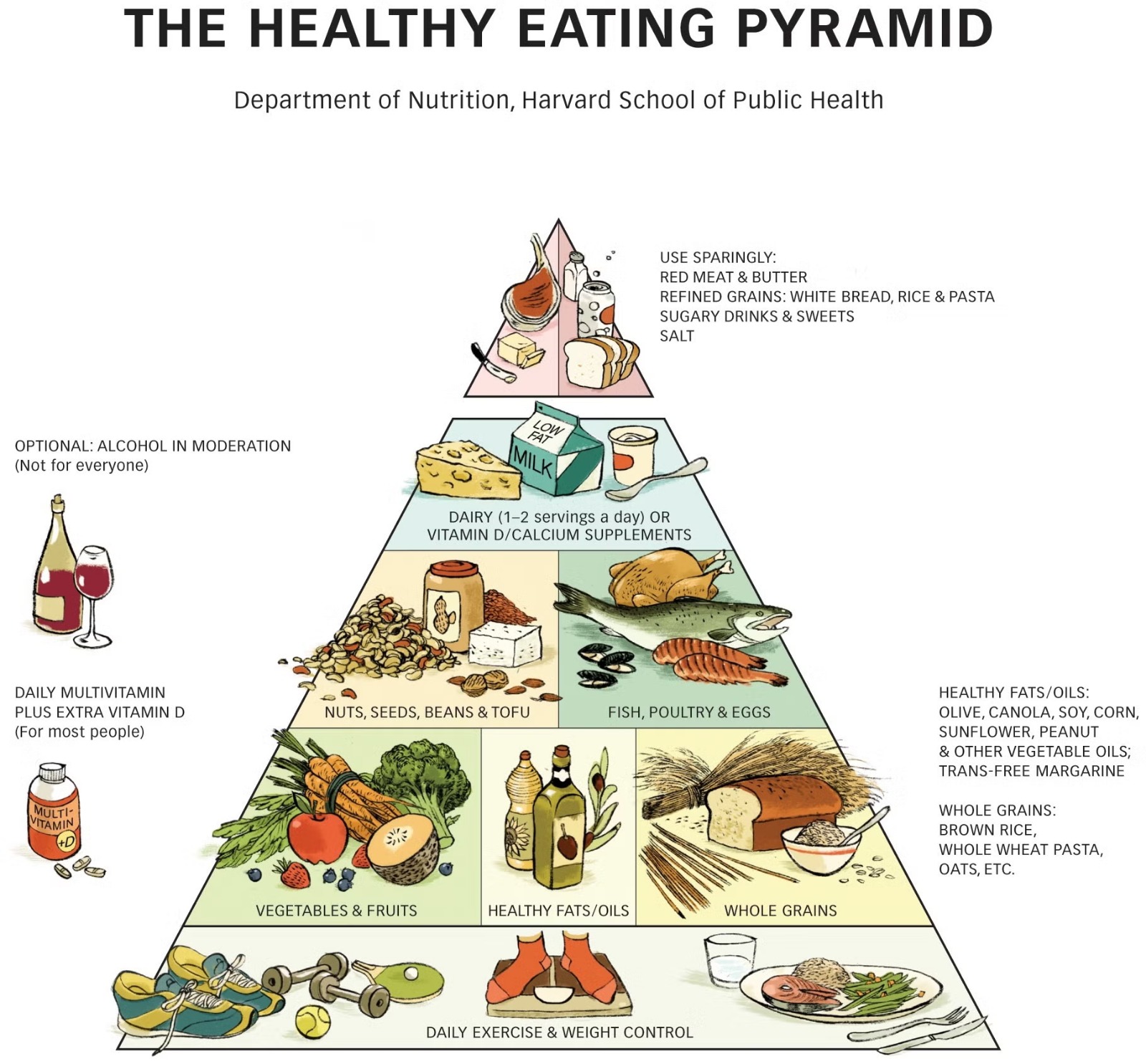
In an era of endless wellness influencers and conflicting diet books, the “perfect plate” has never felt more elusive. We are bombarded with data, yet many of us stand in the grocery aisle feeling like lost sheep in herds. We know we should eat well, but we’ve lost sight of what that actually means in practice.
The Global Gold Standard
According to WHO (the World Health Organisation), a healthy diet protects against malnutrition and noncommunicable diseases worldwide. A common misconception surrounding healthy eating is that balance limits variety. In reality, a balanced diet depends on variety.
A nutritious, well-balanced diet can:
– Protect against malnutrition in all forms.
– Reduce the risk of noncommunicable diseases (NCDs) like diabetes, heart disease and certain cancers.
– Support cognitive function and provide sustainable energy levels.
Despite this guidance, many people still consume diets dominated by one or two food groups. A lack of understanding of how to combine fruits, vegetables, proteins, carbohydrates and sugars in a balanced way often leads to restrictive or repetitive eating habits.
The Impact Of Food Influencers

In recent years, food influencers have recently reshaped how people think and feel about food. Platforms such as Instagram are filled with curated images of meals, snacks and lifestyle-driven eating habits. While this content can be informative or inspiring, it can also be misleading.
Research from Cancer Research UK found that 50% of young people reported seeing posts promoting high-fat, salt and sugar (HHFFS) foods on social media in August 2025.
This constant exposure normalises the frequent consumption of these foods and can lead individuals to believe such eating habits are sustainable or typical, despite contradicting established nutritional guidance.
Summary
Although global organisations provide clear guidance on what a healthy and balanced diet is, many people struggle to apply this advice in everyday life. The rise of food influencers and the widespread promotion of high-fat, salt and sugar foods make it difficult for the public to understand what healthy eating truly means.
